Why Read Regional Literary Fiction: Stories Rooted in Place

Last Updated: October 30, 2026
Quick Summary
Regional literary fiction is character-driven fiction in which a specific place shapes the story as much as the people in it, making the setting inseparable from the plot. Reading it deepens immersion and empathy by introducing working-class characters and small-town communities that general fiction often skips past.
- Regional fiction ties dialogue, texture, and stakes directly to one specific community rather than a vague setting.
- Place functions as a character when economic reality, seasonal rhythm, social geography, and collective memory drive decisions.
- Start discovery with place, not genre, then check small presses and local book coverage.
- Read the first ten pages and ask whether the place could be swapped without consequence.
- Stars Over Redfish Island, a novella set on Galveston Bay, offers a short entry into Gulf Coast fiction.
Table of Contents
- What Regional Literary Fiction Is and Why It Reads Differently
- The Benefits of Reading Literary Fiction That Stays Close to Home
- The Importance of Setting in Fiction: Why Place Becomes a Character
- How Regional Fiction Reflects Culture, History, and Working-Class Lives
- Regional Fiction Examples Across the Country
- How to Discover New Literary Fiction Authors Rooted in Place
- Where to Start with Gulf Coast Regional Fiction
- Frequently Asked Questions
What Regional Literary Fiction Is and Why It Reads Differently
Regional literary fiction is character-driven fiction in which a specific place shapes the story as much as the people in it. The setting is not scenery. It determines how characters speak, what they value, what they fear, and what they can never quite leave behind.
The distinction matters more than most readers realize. A novel can be beautifully written and still feel weightless if its world could be swapped for any other town without changing a single scene. Regional literary fiction refuses that swap.
Below, we'll show you exactly what separates this tradition from general literary fiction, why it earns a permanent place on your shelf, and where to start reading.
How Regional Fiction Differs from Literary Fiction Generally
Literary fiction prioritizes language, character interiority, and thematic depth over plot momentum.
Regional literary fiction adds a binding constraint: the story must be inseparable from its place.
That constraint changes everything about how a book reads. General literary fiction can explore universal themes in a setting that stays deliberately vague. Regional fiction does the opposite. It digs into one specific community and finds the universal inside the particular. A novel about a shrimping family on a Texas bay is not "about" the bay any more than Wuthering Heights is about the moors.
The practical difference shows up in three places:
- Dialogue and dialect: characters speak the way their region actually speaks, not in neutral prose
- Detail and texture: weather, work, food, and local custom carry narrative weight
- Stakes tied to place: leaving, staying, or losing a home becomes a genuine plot engine
Readers notice when a book gets this right. They also notice when it doesn't.
The Benefits of Reading Literary Fiction That Stays Close to Home
Literary fiction is often associated with deeper empathy, richer language, and a slower, more reflective reading rhythm. Regional literary fiction sharpens each of those benefits by anchoring them in a world you can almost walk through.
Immersion is the first reward. When an author knows a place from the inside, the reader inherits that knowledge without being lectured. You learn how a tide chart governs a workday.
Empathy comes second. Regional fiction introduces you to working-class characters and small-town communities that general fiction often skips past.
Memory and recognition come third, and this is the one readers rarely expect. A book rooted in a place you know can return your own past to you.
The Importance of Setting in Fiction: Why Place Becomes a Character
The importance of setting in fiction comes down to agency. When a place influences decisions, it functions as a character rather than a backdrop. A storm does not merely delay a scene; it forces a choice.
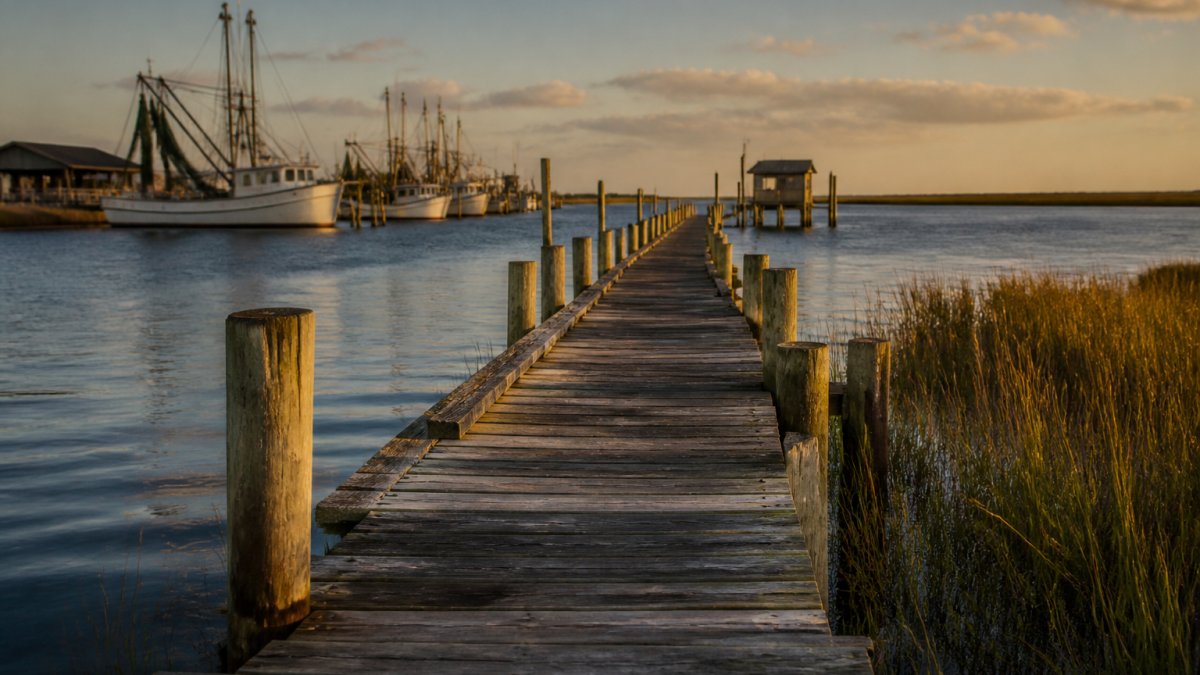
Writers who understand this build their books around four place-driven forces:
- Economic reality: what work exists, and what happens when it disappears
- Seasonal rhythm: how weather and tides schedule daily life
- Social geography: who lives where, and what that proximity or distance means
- Collective memory: the local events everyone references but no outsider knows
A common mistake among newer writers is treating setting as decoration applied after the plot is built. In regional fiction, that order is reversed. The place comes first, and the plot grows out of the constraints it imposes.
How Regional Fiction Reflects Culture, History, and Working-Class Lives
Regional fiction preserves what official histories tend to flatten. Local speech patterns, family trades, foodways, and informal community rules rarely make it into textbooks, but they shape how people actually live. Fiction gives those details a permanent record.
This is also where authenticity becomes a real question. Readers can tell the difference between an author who researched a place and one who lived it.
John Morgan draws on four decades of life along the Texas Gulf Coast in his writing. You can read more about that background on the author's page.
Outsider perspectives can work, but they require humility. A writer from elsewhere must earn the details. A writer from the place already owns them.
Regional Fiction Examples Across the Country
Regional fiction examples are easy to find once you know what to look for. The tradition runs through nearly every part of the country, and each region has its own recognizable voice. What follows is not a best-of list but a map of the tradition, organized by the place that shaped it, with representative authors and works you can actually find.
What these traditions share is a refusal to treat their settings as interchangeable. A plains novel and a coastal novel may both be about a family losing its footing, but the loss looks nothing alike in each place. Readers who explore several regions quickly learn to hear the difference.
For readers interested in the Gulf Coast strand specifically, our blog collects essays and reflections on coastal life and literary writing.
How to Discover New Literary Fiction Authors Rooted in Place
Finding new literary fiction authors who actually know their ground takes a slightly different search than browsing bestseller lists. Regional writers are often published by small presses and reviewed in local outlets rather than national ones. The discovery process rewards a little effort, and it also raises two questions most guides skip: how do you read a region whose language you don't speak, and how do you tell authentic representation from research?
Here is the approach we recommend:
- Start with place, not genre. Search for fiction set in a region you know or want to understand. Library catalogs and independent bookstore websites often let you filter by setting.
- Check small presses with regional catalogs. University presses and independent publishers often list regional writers that national lists may overlook.
- Read local book coverage. Regional magazines and newspapers review writers the national press skips, and their archives are usually free online.
- Follow author events at independent bookstores. Store event calendars can be a useful signal of which authors are active in the area.
- Verify the author's connection to the place. A short bio usually tells you whether the writer grew up there or simply set a book there.
- Read the first ten pages for texture. If the place could be swapped without consequence, keep looking.
That last checkpoint is the most useful one. It filters quickly and saves money.
Reading Across Languages and Dialects
Regional fiction is not always written in the language you read. A reader who wants to understand the American South, for example, can read it in English, but a reader who wants to understand rural Quebec or the Basque country needs a translation, and the translation choices matter. A translator who flattens dialect into standard prose erases the very thing that makes the book regional. When you pick up a translated regional novel, read the translator's note first. A good note explains what was lost, what was preserved, and why the translator made the choices they did.
Authenticity, Representation, and Outsider Perspectives
A second question is who gets to tell a regional story. Outsider perspectives can work, but they require humility and visible research. A writer from elsewhere must earn the details; a writer from the place already owns them. Readers can usually tell the difference in small things: whether the boats are described correctly, whether the dialogue sounds like speech or like a transcript of a dialect, whether the community feels observed or inhabited.
If you want a guided starting point, our overview of authentic Texas coastal fiction walks through how to identify writers with a genuine connection to the region.
Finding place-rooted writers takes a different search than browsing bestseller lists, so here is the approach we recommend.
| Step | What to do |
|---|---|
| Start with place, not genre | Search for fiction set in a region you know or want to understand |
| Check small presses | Look at university presses and independent publishers with regional catalogs |
| Read local book coverage | Regional magazines and newspapers review writers the national press skips |
| Follow author events | Use independent bookstore event calendars to spot active local authors |
| Verify the author's connection | A short bio shows whether the writer grew up there |
| Read the first ten pages | If the place could be swapped without consequence, keep looking |
Where to Start with Gulf Coast Regional Fiction
Readers who want to begin with Gulf Coast storytelling can find the book and start there.
One honest limitation: a novella will not give you the sprawling multi-generational sweep some readers want from regional fiction. If you are looking for a long family saga, this is a starting point rather than a destination.
Best for: readers who want an immersive, place-rooted story they can finish in an evening or two. Skip if: you prefer plot-driven mystery or a long, slow-building epic.
Frequently Asked Questions
What is regional literary fiction?
Regional literary fiction is character-driven fiction where a specific place, its culture, dialect, and history shape the story rather than serving as a backdrop. The setting influences how people speak, what they value, and the conflicts they face. It differs from literary fiction generally because the region is essential: move the story to another state and it would not work the same way. Think of novels where the bayou, the mill town, or the coastal community is as vivid as any character on the page.
Why is setting important in literary fiction?
Setting in fiction does more than establish scenery. It creates immersion, giving readers the sights, sounds, and rhythms of daily life in a place. In regional literary fiction, setting also carries memory, tradition, and local identity, so it deepens emotional response and empathy. A strong sense of place lets readers understand why characters make the choices they do, from staying in a dying town to leaving a family fishing business behind. When place is rendered honestly, the story feels lived-in rather than researched.
How do I find regional literary fiction authors near me or from a region I love?
Start with independent bookstores and library staff in that region, who often stock local authors. Search publisher catalogs from small presses based in the area, and follow regional book awards. Reader forums and author events at libraries also surface names. When you discover new literary fiction authors this way, read a sample chapter first to check whether the voice and pace suit you.
What are the benefits of reading literary fiction compared with genre fiction?
Literary fiction tends to prioritize language, interior lives, and serious themes over plot mechanics, which can build empathy and slow, reflective reading. Genre fiction often delivers faster pacing and familiar structures. The benefits of reading literary fiction include greater emotional engagement, richer prose, and stories that linger after you finish. Regional literary fiction adds another layer: it connects you to communities and traditions you might never encounter otherwise. Readers often alternate between the two depending on mood and attention span.
The challenge with regional fiction is finding books that earn their setting rather than borrow it. We built our work around that standard, drawing on four decades along Galveston Bay to write coastal stories that hold up to a reader who knows the water. Stars Over Redfish Island brings family, courage, and friendship into a world of tidal marsh and working harbors. Get started with John Morgan and read a Gulf Coast story rooted in the place it comes from.
